How to Find Your Favourite Genre
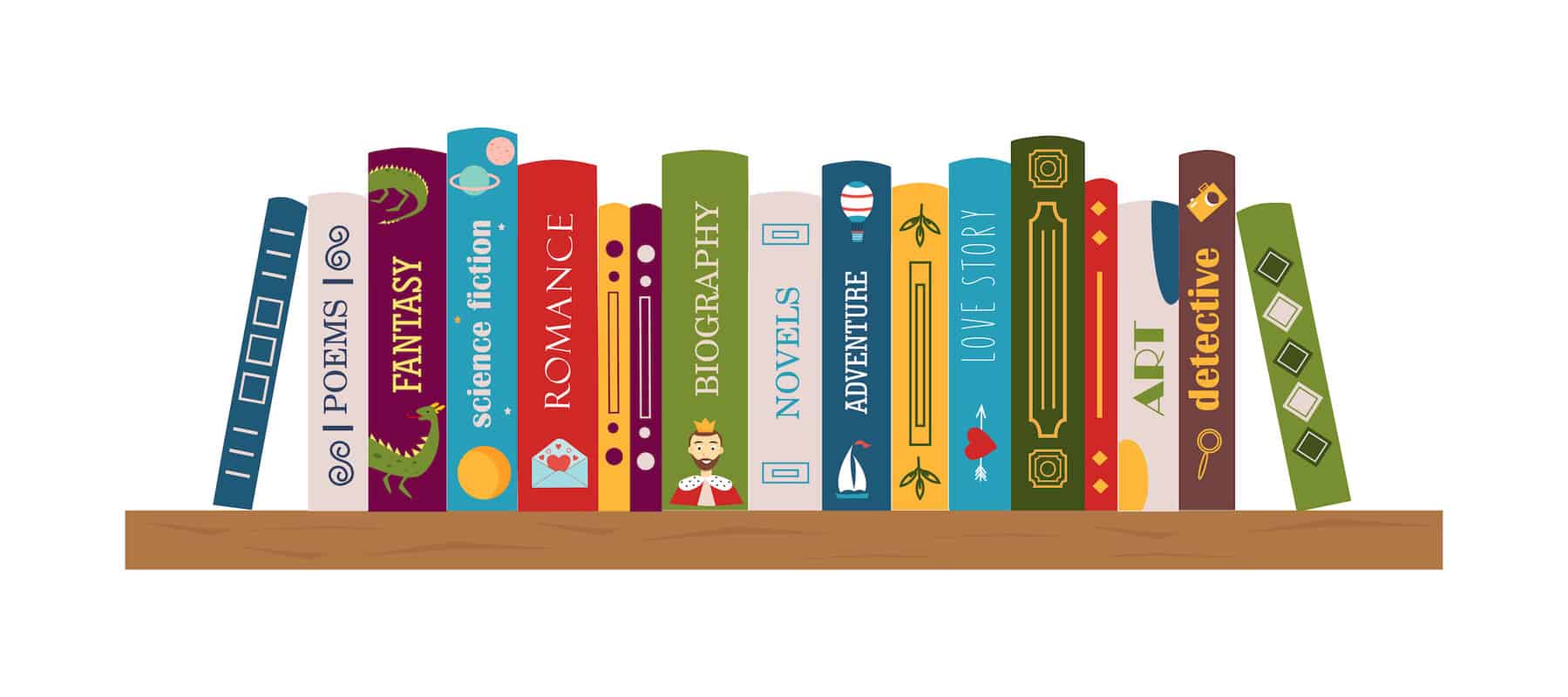
Ever finished a brilliant book and immediately wanted to find something else just like it? Or picked up a title everyone seems to love, only to wonder what all the fuss is about?
Working out your favourite book genre can make choosing what to read next much easier. You might always reach for tense thrillers, feel most at home in fantasy worlds, or discover that the books you love have something much more specific in common.
From looking at the books you already love to experimenting with genres you have never tried before, there are plenty of ways to work out which stories keep you coming back for more.
What is a book’s genre?
Book genres group stories according to shared characteristics such as:
Themes
Settings
Subject matter
Style
And character tropes.
Some genres are broad, while others become much more specific, but they all provide a useful way of describing the type of reading experience a book offers.
Genre can also be informed by a number of other factors such as where a work was written, who it was written by, when it was written, and the social, economic, and political contexts of the work.
The act of classifying books into genres has long been a useful way of breaking down and thinking about books. Many people say that once they’ve found ‘their genre’ they feel at home and safe when reading.
What are the top 10 book genres?
There are thousands of genres and sub-genres out there. But, for now, here are some of the most popular book genres:
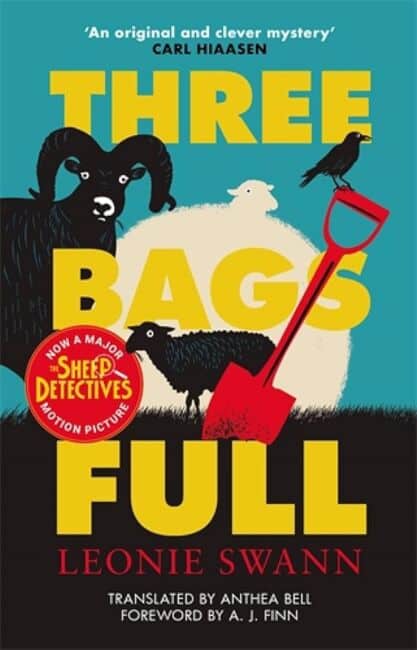
- Crime fiction: Stories centred around crime, investigation and mystery, including detective fiction and murder mysteries.
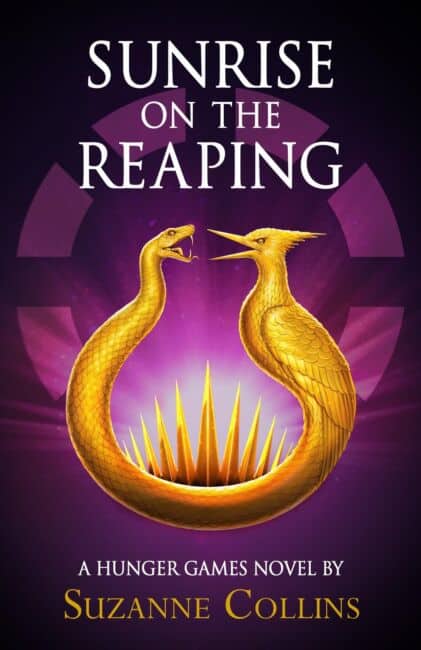
- Fantasy: These stories take you beyond the everyday, often with magic, mythical creatures, imagined worlds or supernatural events.
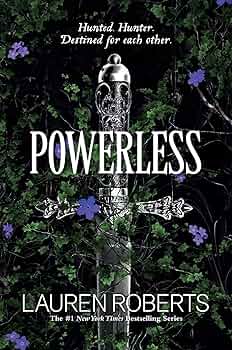
- Romance: One of the more popular genres, these stories have a romantic relationship as central to the plot and emotional journey.
- Historical fiction: Novels set in the past, often combining fictional characters or events with real historical periods.
- Science fiction: Often known as Sci-Fi, this genre explores imagined futures, advanced technology, space travel, alternative or dystopian societies.
- Horror: Stories designed to unsettle or frighten, whether through ghosts and monsters or something much more psychological.
- Thrillers and suspense: Fast-paced stories built around tension, danger, secrets or high-stakes situations.
- Young adult (YA): Accessible stories designed for young people, typically aged between 12 and 18 – although anyone can enjoy YA books.
- Biographies, memoirs, and autobiographies: Non-fiction accounts of real lives, written either by another person or by the subject themselves.
- Poetry: Writing that uses rhythm, imagery and language in concentrated ways to explore experiences, ideas and emotions.
From graphic novels to psychology, genre is a very difficult concept to pin down. It can be overarchingly broad and simplistic (like ‘Fiction’ and ‘Non-Fiction’) or extremely granular (like cookery, paranormal romance, or historical mystery). At this point, the term ‘microgenre’ begins to crop up a lot – referring to the subsections of genre.
Do you have to stick to one book genre?
Your reading habits are as unique as the books you read; so, it is natural that you will flit between genres – one day hankering for a classic sci-fi title, the next opting for a slow-burn enemies-to-lovers romance.
That being said, you may well find yourself gravitating towards a certain genre over time. The more you read, the more you develop your own preferences made up of likes and dislikes. This is called your literary taste. Contrary to what stuffy literary critics would have us believe, anyone can have a literary taste, and everyone’s book-related opinions are valid no matter how many or how few books they’ve read.
If you’re not sure which genres suit your reading best, there are a few simple ways to start narrowing it down.
How to find your favourite book genre
A little self-assessment can go a long way here, so take a moment to think about your reading habits and preferences.
Rather than focusing on genre labels straight away, ask yourself the following questions to help nail down what you like and don’t like:
- Do you prefer reading to learn or reading to escape?
- Do you like books that make you think about the world around you?
- What kind of emotions do you want to experience when you read? Thrill? Reassurance? Intrigue? Fear? Comfort?
- Are there any specific topics you definitely don’t want to read about? Perhaps any areas that don’t interest you or may be triggering to you?
- Which genres of film do you enjoy consuming the most?
- Do you prefer realistic stories or imagined worlds?
- Do you enjoy fast-moving plots or slower, character-focused stories?
- Which three books have stayed with you the most, and what did they have in common?
Maybe write down your answers to these questions, noticing any patterns that develop. Use these initial thoughts as a starting point for the activities below to help you explore genres more deeply.
Explore bookshops and libraries
Bookshops make experimenting particularly easy because different sections are already laid out for you to browse. Instead of heading straight for the shelves you know, spend some time somewhere unfamiliar and read a few blurbs in each section. Notice which sections make you want to keep browsing, and which ones leave you struggling to find anything that catches your attention.
Libraries are ideal for the same reason, with the added advantage that trying something new does not have to cost you anything. If a title catches your attention, give it a chance even if it comes from a section you would usually walk past.
Try different subgenres
Not enjoying one book from a particular genre does not necessarily mean the whole category is off limits. Romance includes everything from historical romance to romantasy. Crime readers might prefer a traditional detective story to a psychological thriller or a cosy crime caper.
Exploring these more specific categories can help you pinpoint the elements of a broader genre that appeal to you most.
Talking about books with other readers
One of the best ways to learn what you like is by voicing your opinions. Whether in a book club or simply chatting with friends or family, putting your thoughts about books into words may well lead you to some interesting conclusions.
You might realise that the exact thing someone else disliked was what kept you turning the pages. Talking about what you enjoyed can also lead to recommendations you might never have considered on your own.

Try an online book genre quiz
Lastly, for a bit of fun, one of the most exciting ways to discover what genre you’re destined to read is by trying online quizzes. Although the answers won’t give you anything as accurate as your own reading efforts, it can be an entertaining way to examine your literary tastes.
Here are a few fun online book genre quizzes for you to try:
- Buzzfeed: What Book Genre Should You Read Next?
- BookRiot: What Book Genre Are You?
- EpicReads: Can We Guess Your Favourite Literary Genre?
Find your favourite genre Victoria Freudenheim
Once you have a better idea of the genres that appeal to you, the fun part is putting your newfound literary tastes to the test.
At Victoria Freudenheim, you can browse our book reviews by genre to discover titles across fantasy, romance, biography, crime, thrillers, and more. Or, if you would rather keep your options open, check out our top-rated or latest reviews and see what catches your eye.
And for more bookish advice, be sure to keep up to date with our blog.
Keep exploring, and your next favourite book may come from a genre you never expected.