Exploring Cli-Fi: The Rise of Climate Fiction
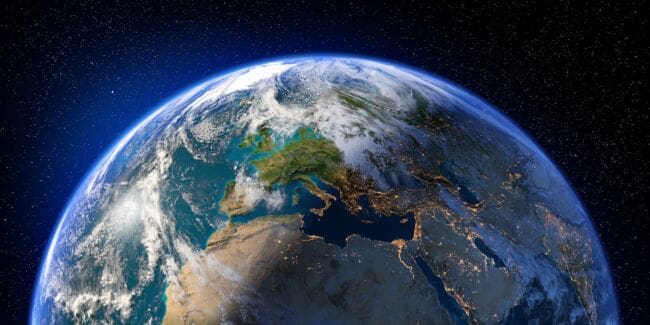
In the last few years, there’s been a noticeable shift happening in the stories we’re telling and reading. Alongside the usual waves of fantasy, romance, and thrillers, a quieter but more urgent genre is gaining ground. One that asks a different kind of question: not just what if, but what next?
This is where climate fiction, often shortened to “cli-fi”, comes in.
Once a niche corner of speculative writing, climate fiction is now becoming a defining genre of our time. As conversations around climate change move from distant concern to daily reality, fiction has followed, offering narratives that explore what those changes might mean for the world, and for us.
What is climate fiction?
At its simplest, climate fiction explores the impact of environmental change on the planet and the people living through it. While it often overlaps with science fiction, cli-fi tends to feel closer to home. Rather than exploring often distant, abstract futures, many of the narratives unfold in recognisable worlds, subtly or dramatically reshaped by rising temperatures, shifting landscapes, and unstable systems.
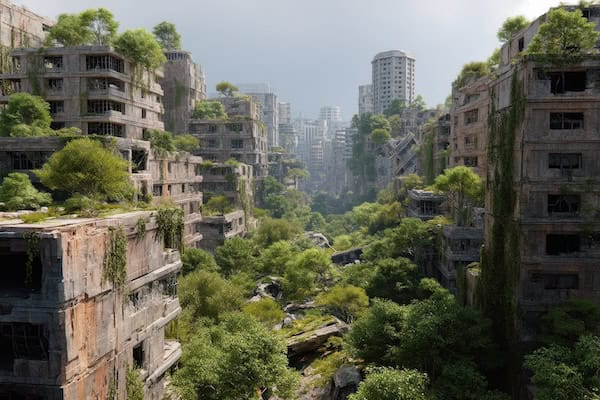
In many cases, climate change fiction takes place just a step ahead of where we are now. Coastlines shift. Cities strain under the pressure. Every day life becomes something to navigate rather than take for granted.
Writers like Margaret Atwood, Kim Stanley Robinson, and Richard Powers have helped define this space, blending speculative ideas with grounded, human perspectives that feel uncomfortably plausible.
Why now?
The rise of climate fiction reflects a broader shift in how we engage with our climate crisis.
For years, the conversation has been dominated by data: temperature thresholds, emissions targets, long-term projections. While all are essential, these frameworks can feel distant and difficult to connect with on a personal level. Fiction offers a different kind of entry point.
Instead of cold, hard numbers, we encounter individuals, often much like us, making decisions, adapting, or struggling in environments that no longer behave as expected. The scale of the issue becomes easier to grasp when it’s experienced through a single life.
There is also a growing appetite for narratives that grapple with real-world issues. Just as dystopian fiction once mirrored political uncertainty, cli-fi speaks directly to environmental anxiety, a concern that now sits firmly within everyday life.
Narratives shaped by consequences

What sets climate fiction apart as a genre is its dedicated focus on consequence.
In novels like The Ministry for the Future, global systems begin to unravel under environmental strain. The Overstory shifts attention to the relationship between humans and the natural world, exploring what is lost when that connection is ignored. Earlier works, such as Oryx and Crake, imagine societies already reshaped by ecological collapse.
Across these works, the stakes are woven into the environment itself. Survival, adaptation, and responsibility shape both the plot and the people who move through it.
Fiction that blends warning and imagination
It would be easy to assume that climate fiction is defined by bleak futures. While many narratives do lean into dystopia, the genre itself isn’t limited to pessimism.
Some stories explore resilience, focusing on communities finding ways to adapt or rebuild. Others examine alternative systems, asking what a more sustainable future might look like if approached differently.
This balance gives cli-fi its edge. The genre sits between warning and imagination, reflecting current fears while still leaving room to consider outcomes.
A genre still taking shape
As a relatively new category, climate fiction is still evolving. It overlaps with literary fiction, thrillers, and speculative narratives, making it difficult to define too rigidly.
Because of this flexibility, writers can approach environmental themes from multiple angles, whether through intimate, character-driven storytelling or broader world-building.
Not every attempt lands with equal weight. Some rely heavily on familiar dystopian tropes, where the environmental backdrop can feel secondary to the plot. Whilst others struggle to balance message with narrative, drifting too far into explanation at the expense of character. As the genre matures, it will be interesting to see how others tackle the tension at the heart of these narratives.
Why climate fiction matters right now
The significance of climate fiction lies in its ability to provide a unique voice for the environment. Telling these stories offers writers and readers a way to engage with environmental change that feels immediate and human, rather than distant and theoretical.
Climate fiction narratives ask for attention. They encourage readers to become engaged with ideas that might otherwise be avoided, to consider the long-term impact of their present choices, and to see those consequences reflected in lives that feel recognisable.
In that sense, cli-fi doesn’t just imagine different futures. It reframes the present.
Explore more stories shaped by the world around you
If climate fiction has sparked your curiosity, why not explore how other genres are responding to the world around you too? Across young adult literature, fantasy, thriller, and general fiction, you’ll find stories that reflect contemporary realities and bring new perspectives to everyday life.
For more thoughtful takes on genre trends and the evolving literary landscape, keep up to date with the Victoria Freudenheim blog.