Tips For Getting Started With Book Clubs

There’s a particular feeling that comes with finishing a book. You close the final page, sit with it for a moment, and then instinctively want to ask someone else: “Did you see it the same way?”
That impulse to share, question, and compare notes is why book clubs are so successful. They turn reading from something that is quietly personal into a layered and collective experience. With book clubs, reaching the end of the book is often just the beginning.
Whether you want to start a book club of your own or are thinking about stepping into one for the first time, here are some helpful tips to help you turn that first page.
Why start or join a book club?
While reading solo allows for immersion, sharing that reading experience allows for expansion.
A book club introduces you to perspectives that you may not reach on your own. A character you may have dismissed may have deeply resonated with someone else; an ending that felt resolved to you might feel unfinished to another reader. And it’s this exchange that gives book club reads their depth.
Book clubs can also bring a sense of structure to your reading habits. Without pressure or rigid goals, group reading sessions create a gentle sense of momentum: you’re not reading to finish, but to take part.
There’s also a lot to be said for the simple consistency of a book club. Returning to the same group, month after month, builds familiarity not just with each other’s tastes but also with how each person reads, what they notice, and what they value in a story.
In many ways, a book club is less about the books themselves and more about the space they create.
Starting a book club: keep the foundations loose
If you’re setting up a book club from scratch, don’t worry about defining hard and fast rules too early on. The most effective book clubs rarely begin with a detailed plan, usually starting with a shared interest and evolving from there.
A small group is more than enough for a book club. Even just four to eight people gives you variety without losing the intimacy that makes discussions feel natural. You don’t need everyone to be a prolific reader, just willing to show up and engage.
When settling on what to read, agree on a pace that feels realistic. Monthly meetings tend to strike the right balance, offering enough time to read without letting the momentum fade. From there, decide what format suits your group best, whether that’s in person, online, or a mix of both.
What really makes a successful book club isn’t structure, but consistency. A book club works when it feels like something you want to return to, rather than something you have to organise.

Joining a book club: finding your kind of conversation
If you’re joining an existing book club, the key is to find one that matches how you like to read.
Some book clubs lean more towards analysis, exploring themes, symbolism, and structure in detail, while others are more conversational, using the book as a starting point and a really good reason to meet up.
There’s no right or wrong approach. But there is a right fit for you.
It’s worth trying out a couple of different book clubs before settling into one. And remember, the experience should feel engaging and comfortable, not performative.
Choosing book suggestions for book club discussions
It’s no surprise that the success of a book club often rests on what’s chosen to read.
It’s not about necessarily choosing the most critically acclaimed or widely read books, but more about choosing books that leave space for interpretation. Books with layered characters, unresolved tensions, or moral ambiguity tend to sit with readers in different ways, which naturally leads to richer discussions.
When starting out, it helps to choose something accessible. Ideally, this would be a novel that draws people in quickly and sets the tone for future meetings, encouraging everyone to take part.
Rotating who selects the next book is a simple way to keep things varied. Over time, your list of book club reads will start to reflect the personalities within the group, creating a reading list that feels unique to that group.

Let the discussion take its own shape
There’s really no need to approach a book club like a seminar. In fact, the most memorable conversations are often the ones which happen organically.
A single question is usually enough to kick off a book club conversation and from there, the discussion tends to unfold naturally.
Some readers will gravitate towards character, others towards atmosphere or theme. You might find yourself revisiting certain scenes or realising you’ve interpreted something entirely differently. That unpredictability is part of the appeal. Silences aren’t a problem either. They often just mean people are thinking.
Building a rhythm around reading
Setting your book club dates well in advance can help anchor the group and give everyone a chance to complete the book in time.
Small rituals will tend to develop naturally. A particular evening of the week, a habit of sharing favourite passages, or even just the familiarity of how discussions unfold. These details aren’t planned, but they do give the club its identity.
Like any reading habit, reading a book club title tends to work best when it feels integrated into your routine rather than added to it.
A shared way of reading
Oftentimes, a book club doesn’t change what you read; it changes how you read.
You begin to notice more, to question more, and to sit with ideas for longer. Stories become something you return to in conversation, not just in memory.
If reading for you feels solitary or squeezed between other distractions, a book club offers something steadier. For many busy readers, book clubs offer a reason to pause, reflect, and engage with books in a different way, one which can feel both personal and shared.
At the simplest level, all it takes to begin with a book club is asking the questions you were probably already thinking, like“What did you make of it?” .
Find your next book club read with Victoria Freudenheim
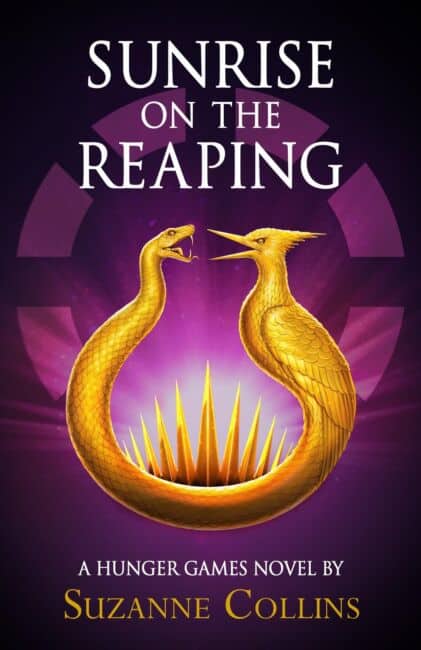
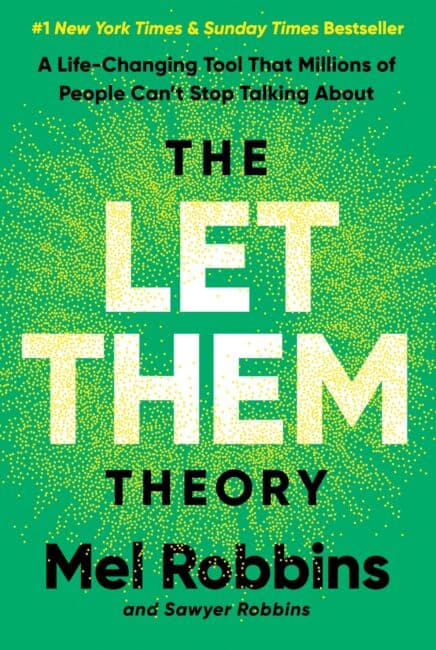
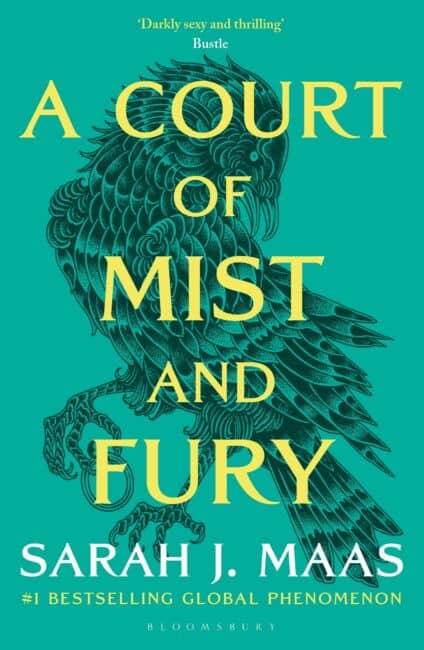
Choosing what to read for a book club is part of the enjoyment. Curated reviews, like the ones on our website, are a great way to discover titles that offer both readability and depth. We have a whole range of genres to choose from, like contemporary, fantasy, and thrillers, many of which will spark that next fascinating discussion.